Lovelolablog: Fun Facts, Content, History & Hidden Details
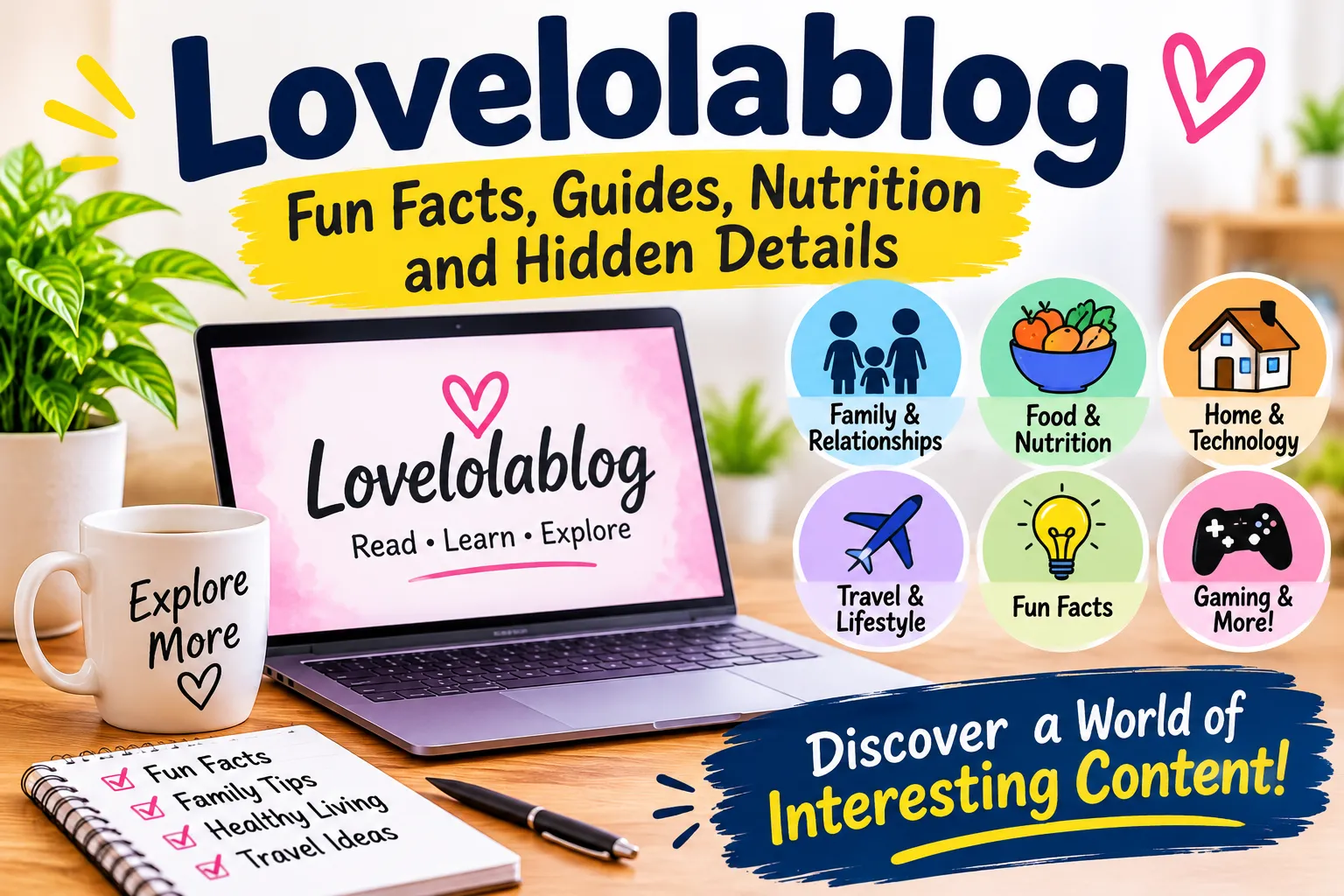
Readers may discover Lovelolablog when searching for lifestyle articles, interesting facts, family-related ideas, food content, and practical online guides. The website covers topics such as family and relationships, food, travel, home, technology, and other everyday subjects, giving readers different reasons to explore its content.
Understanding the website requires more than looking at its name or a single article. Readers may want to learn what it publishes, how its content is organized, which topics are worth exploring, and how to judge the reliability of online information. This guide explains these aspects, highlights useful ways to navigate the content, and shows why checking sources matters when reading facts, lifestyle advice, or health-related information.
What Is Lovelola Blog?
Lovelol Blog is an online blog that covers a variety of lifestyle and general-interest topics. According to its About Us page, its content includes family relationships, food, travel, home, and technology. These subjects can appeal to readers looking for everyday inspiration, practical suggestions, or interesting information without needing to visit a separate website for every topic.
The website also presents different contributors who focus on particular areas. Its About Us page introduces writers associated with relationships, home and technology, and food. However, contributor biographies describe the site’s own presentation of its team; they should not automatically be treated as independent proof of each person’s qualifications or professional experience.
What Can You Find on the Lovelola Blog?
One feature of Lovelolablog is its variety of subjects. Instead of focusing exclusively on one narrow niche, it publishes articles across different interests. This can help readers discover related topics, although the usefulness of each article depends on its accuracy, depth, and relevance to the reader’s question.
Depending on the article and category, readers may encounter subjects such as:
These categories provide a starting point rather than a guarantee that every topic receives the same level of coverage. Readers should open individual articles to understand what they actually discuss and whether the information meets their needs.
Lovelola Blog Fun Facts: Interesting Details to Explore
The phrase “Lovelolablog fun facts” can have more than one meaning. It may refer to interesting details about the website itself, including its subject areas, contributors, and published categories. It can also refer to the site’s Fun Facts category, which contains articles about a variety of general-interest subjects.
This distinction matters because information about a website is different from information published within that website’s content. For example, an article about the publication’s contributors is not the same as a trivia article about science, history, or entertainment. Understanding the intended meaning helps readers find more relevant results and avoid confusing unrelated claims.
Why Do People Enjoy Fun Facts?
Fun facts make information easier to approach because they often focus on one clear, surprising, or memorable point. A short explanation about an animal, a historical event, a scientific idea, or a cultural tradition can encourage readers to investigate the subject further.
They can also support informal learning at home or school. Parents might share a nature fact with children, teachers might use a historical detail to introduce a lesson, and friends might exchange trivia during a conversation. The important thing is to check the original source before repeating a claim, especially when it includes statistics, dates, or scientific explanations.
A Closer Look at Lovelolablog’s Content and Contributors
The site’s About Us page describes a team with different content interests. It introduces Nala in connection with family and relationships, Deanne in connection with home and technology, and Zoe in connection with food. These descriptions offer readers a basic idea of how the website presents its editorial areas.
However, a contributor’s listed topic does not necessarily establish formal expertise. When an article discusses specialized matters such as medical treatment, financial decisions, or technical safety, readers should check the author’s relevant qualifications and the sources supporting the advice. A useful article should explain its claims clearly and help readers identify when professional guidance is necessary.
How to Understand Claims About the Website’s History
Readers searching for Lovelolablog may find articles that discuss its earlier history, previous contributors, or changes in its subject matter. Such claims should be examined individually rather than accepted simply because they appear in search results or in an article with a confident headline.
To assess a historical claim, look for dated pages, archived versions, credible independent references, and consistent information from more than one reliable source. If the available evidence does not establish an exact launch date, ownership change, or contributor relationship, the responsible approach is to describe that detail as unconfirmed instead of presenting an assumption as a fact.
LLBlogFamily Healthy Nutrition and Everyday Food Ideas
Family nutrition is a practical subject for readers who want to make everyday meals more balanced and manageable. Planning meals in advance, including a variety of foods, and considering the needs and preferences of different family members can make grocery shopping and cooking easier. These habits are useful regardless of which blog or recipe collection inspires them.
When exploring nutrition content associated with the Lovelola blog, treat individual suggestions as information to evaluate rather than instructions that automatically suit everyone. Nutritional needs can vary according to age, activity, allergies, medical conditions, and other personal factors. For a practical starting point, families can focus on a few simple habits:
These ideas keep the focus on sustainable everyday choices rather than strict rules or promises of quick results. Readers should also check the publication date and sources of any article making specific health claims.
Lovelolablog Pet Advice: What Should Readers Check?
Pet-related articles can help readers explore basic subjects such as feeding routines, exercise, grooming, training, and responsible ownership. For dog owners, consistent routines, access to clean water, appropriate activity, and a safe living environment are important parts of everyday care. Advice should always account for the dog’s age, breed, health, and individual needs.
When reading pet advice on the Lovelola blog or another website, distinguish general care information from veterinary guidance. A general article may offer useful background, but it cannot diagnose an illness or replace an examination by a qualified veterinarian. Be especially careful with claims about home remedies, supplements, unusual diets, or treatments that promise fast results.
A sensible approach is to:
These checks help readers use online content responsibly while keeping their pets’ welfare as the priority.
Home, Technology, and Lifestyle Inspiration
Home and lifestyle articles can provide ideas for organizing rooms, improving daily routines, choosing practical household items, or exploring technology. Readers can use these suggestions as inspiration and then adapt them to their own space, budget, abilities, and preferences. A useful idea does not have to involve an expensive renovation or a complete change in routine.
For example, someone looking to organize a small room could start by grouping similar items, identifying unused belongings, and making frequently used objects easier to reach. A reader interested in home technology could compare compatibility, cost, privacy, and maintenance before buying a connected device. These practical checks turn general inspiration into decisions that suit real circumstances.
How to Check Whether Lovelolablog Content Is Reliable
No website should be treated as automatically correct simply because it looks professional or appears near the top of search results. Readers should assess individual articles based on evidence, clarity, publication details, and the nature of the claims being made. This is particularly important when the topic involves health, money, safety, or other decisions with significant consequences.
A practical review can begin with the following questions:
These checks do not require advanced research skills. Even a quick review of dates, references, and author information can help readers identify unsupported statements. If a claim cannot be confirmed, avoid sharing it as an established fact.
Understanding Different Lovelol Tableau Domains
Search results may show websites with similar names, including different domain endings. A similar name alone does not prove that two websites have the same owner, editorial team, or level of reliability. Readers should check the complete web address before assuming that a page belongs to the publication they intended to visit.
The Lovelolablog.com About Us page provides information about that particular website’s stated purpose and contributors. If a result appears on another domain, inspect its About page, contact information, article sources, and publishing details separately. Do not assume that the history or claims of one site apply to another without evidence.
This distinction is especially useful when researching website history or author details. Confirm the domain associated with each source, compare the dates of the material, and prefer direct evidence over repeated claims copied across unrelated pages.
Practical Tips for Getting More From Lovelola Blog
Readers can navigate a multi-topic blog more efficiently by starting with a clear question. Someone searching for a dinner idea, for instance, should focus on food-related content rather than browsing unrelated sections. Using specific search terms can also help narrow results and reduce the time spent opening pages that do not answer the original question.
Once an article looks relevant, read beyond its headline and check whether it provides enough detail to be useful. A strong article should explain its main point, give context where needed, and make important limitations clear. Readers can use the following routine:
Following these steps makes online reading more purposeful. It also helps readers separate entertaining content from information that requires deeper verification.
Conclusion
Lovelolablog offers readers a broad mix of lifestyle and general-interest content, including family relationships, food, travel, home, and technology. Its variety helps people discover new ideas, find practical inspiration, and explore unfamiliar topics. Readers searching for Lovelola blog Fun Facts may want to learn about the website or discover interesting facts shared through its articles.
The best way to explore the Lovelola blog is to focus on the information you need and evaluate it carefully. Check the author’s background, publication dates, supporting evidence, and complete domain before relying on a claim. These simple habits help readers enjoy online content while making informed decisions about what to trust and share.