New Software RCSDASSK: What You Should Know
Searching for New Software RCSDASSK can be confusing because different technology websites provide different explanations about the term. Some describe it as an emerging software concept related to automation, workflow management, data handling, remote access, analytics, and security. Others suggest it could be an internal identifier or technical reference.
This difference is important for users trying to understand what the software actually does, who may have developed it, and whether it is safe to use. Because publicly available information is inconsistent, this guide focuses on reported details and helps readers carefully evaluate unfamiliar software before downloading or using it.
What Is New Software RCSDASSK?
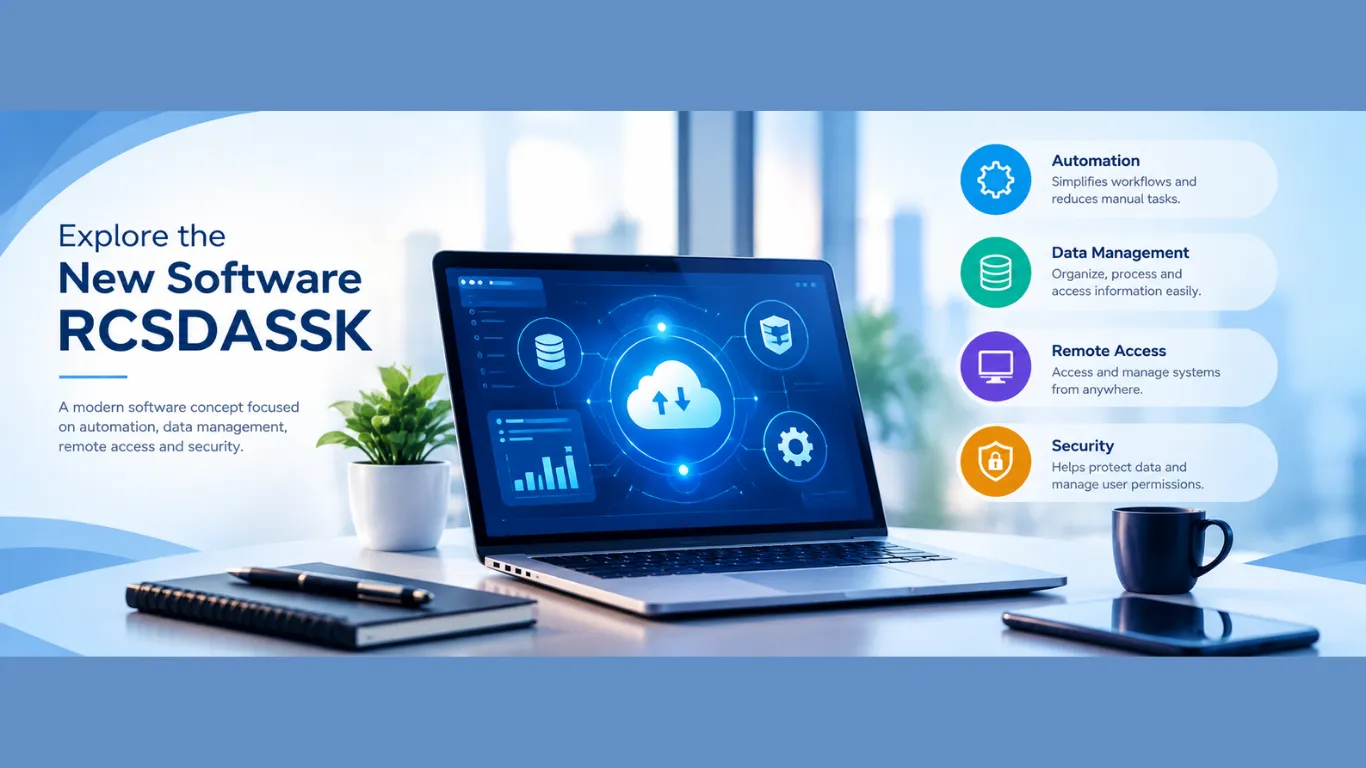
New Software RCSDASSK is a software-related term appearing in technology articles and websites. It is described as a multifunctional concept involving automation, data management, workflow organization, and system integration.
However, public information about RCSDASSK is inconsistent, and there is no clearly verified documentation for a universally recognized product. If you encounter New Software RCSDASSK on a computer, website, or error message, its exact meaning may depend on the context.

What Does New Software RCSDASSK Mean?
No universally verified expansion of the acronym RCSDASSK exists. One source describes it as “Remote Control System for Data Automation, Security, and Software Kit,” but no clearly identified official documentation supports this meaning.
Because of this uncertainty, New Software RCSDASSK should not be treated as having one confirmed definition. Its meaning may depend on the website, software, file, or context where the term appears. Users should check the source, publisher information, and available documentation before assuming that a particular expansion or description is officially correct.
Key Features Associated With RCSDASSK
Online descriptions associate RCSDASSK with several modern software capabilities. However, these should be treated as reported features rather than officially confirmed specifications.
Data Management
RCSDASSK is also associated with data management. Such systems can help organize, process, access, and monitor information while keeping data easier to manage across different workflows.
Remote Access and System Integration
Some descriptions connect New Software RCSDASSK with remote access and system integration. These capabilities can allow authorized users to access systems remotely and enable different applications to exchange information.
In practical terms, system integration can help connect separate software components so that data can move between them more efficiently. Remote access may also support monitoring or managing systems from another location, although reliable official documentation has not confirmed the exact capabilities of New Software RCSDASSK.
Security-Related Functions
Security is another area associated with RCSDASSK. Potential functions may include authentication, access control, monitoring, or encryption, which are commonly used to protect systems, manage user permissions, and safeguard sensitive information. These types of features can be important when software handles data or provides access to connected systems.
Users may find it difficult to verify RCSDASSK’s security features without reliable documentation. To avoid potential risks, they should check the publisher, review permissions, and confirm security claims through trusted sources. Following Stay Updated Always Txepc can also help readers explore related information and stay informed about digital tools and technology.
Who Might Be Interested in RCSDASSK?
The audience for this search term can be divided into several groups.
Technology Enthusiasts
People interested in emerging software may encounter RCSDASSK while researching unfamiliar technology terms. For them, the most useful first step is understanding what information is verified and what remains uncertain. Instead of relying only on search results or online claims, they should look for information from identifiable publishers, official documentation, technical references, and trusted sources.
This approach can help technology enthusiasts separate genuine software information from speculation or unsupported descriptions. It also encourages safer research habits when exploring unfamiliar applications, services, or technical concepts.
IT Professionals
An IT professional might encounter an unfamiliar RCSDASSK reference inside a system, log, application, or configuration.
In that situation, the surrounding context is more useful than a generic web article. The professional should identify the file, application, process, publisher, and system that generated the reference.
Business Users
Some websites portray RCSDASSK as software for business workflows, automation, and digital organization.
A business considering unfamiliar software should verify the vendor, documentation, pricing, support, security practices, and licensing before making an adoption decision.
How to Evaluate RCSDASSK Safely
If you have encountered RCSDASSK and are considering downloading or using something associated with the name, do not rely on the name alone. Since its identity and specifications are not clearly established, take a few basic steps before interacting with the software or file.
Check the source where you found it, identify the publisher or developer, and review any available documentation. You should also examine the file name, permissions, installation requirements, and security information. Avoid downloading unknown files from untrusted websites, and use reliable security software to scan anything suspicious. These precautions can help you determine whether the software is legitimate, relevant to your needs, and safe to use.
1. Identify the Source
First, determine where you encountered the term.
Was it:
The answer can significantly change what the term means.
2. Check the Publisher
Established software normally identifies its developer or publisher.
Look for:
A lack of identifiable ownership should encourage additional caution.
3. Verify the Download Location
Avoid downloading unfamiliar software from random mirrors, pop-ups, or suspicious advertisements, as these sources may provide modified, outdated, or potentially harmful files. Whenever possible, look for the software through an official website or a clearly identified and reputable source.
A trustworthy source should clearly identify the software publisher and provide enough information to determine what you are installing. Before downloading, check the website address, publisher details, available documentation, and file information to make sure the download matches the software you actually intend to use.
4. Check File Details
If RCSDASSK appears as a file or executable, inspect its properties before opening it.
Check the:
These details can help determine whether the file belongs to a legitimate program.
5. Keep Security Software Active
Before running an unfamiliar executable, make sure your operating system and security software are updated with the latest available security patches and definitions. An updated security system can help detect potentially harmful files and reduce common security risks.
If a file produces unexpected warnings, requests unusual permissions, or attempts to disable security controls, stop and investigate before continuing. Check the file source and publisher, scan it with trusted security software, and avoid proceeding if its behavior remains unclear or suspicious.
Conclusion
New Software RCSDASSK remains an unusual software-related term with a growing online presence but an unclear and inconsistent public identity. Some sources describe it as an emerging solution involving automation, data management, workflow organization, remote access, analytics, and security, while other sources question whether these descriptions refer to one established product. Therefore, users should avoid treating unverified online descriptions as official specifications.
If you encounter New Software RCSDASSK on your computer or while browsing the internet, check its source, publisher, file information, documentation, and security details before installing or trusting it. This is also a useful general lesson for technology users: unfamiliar software names should always be verified through their context and source rather than judged by search results alone.