EndBugFlow Software: Bug Tracking & Workflow Guide 2026
What Is EndBug Flow Software?
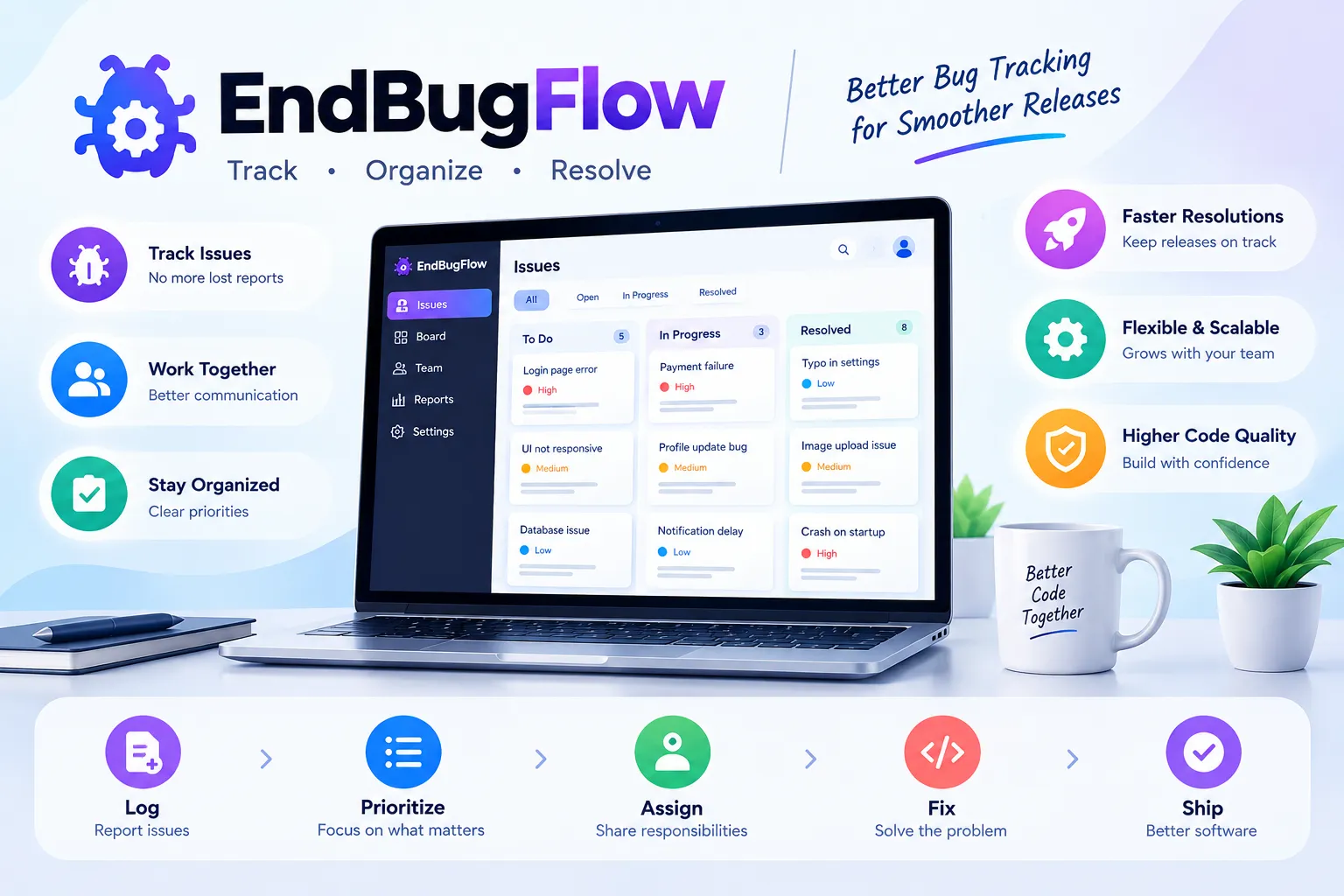
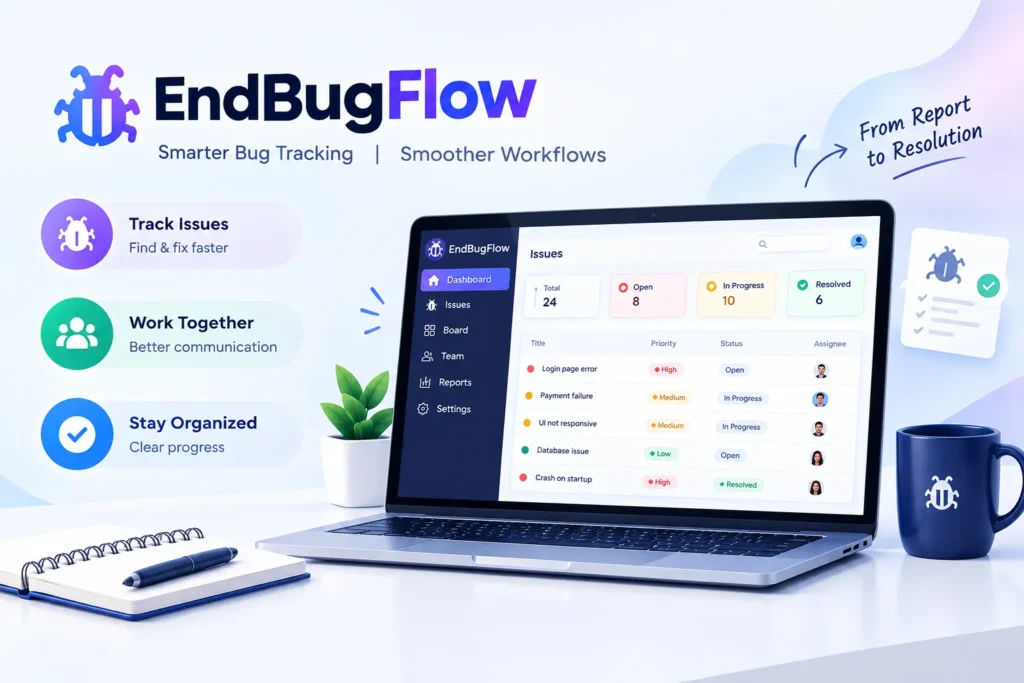
EndBugFlow is described as a platform designed to support bug tracking and development workflow management. It aims to help development teams record, prioritize, and resolve software issues in one centralized location instead of relying on scattered spreadsheets, emails, or chat messages. This organized approach can make it easier for team members to understand which problems need attention and who is responsible for fixing them.
The main purpose of a centralized bug-tracking system is to improve visibility and communication throughout the development process. When everyone can access the same issue reports and status updates in real time, teams can coordinate their work more effectively. This can reduce confusion, prevent overlooked issues, and help move software bugs toward resolution more efficiently.
Common Challenges in Bug Tracking
Development teams often face challenges when managing multiple software issues at the same time. Without a clear tracking process, bug reports can get lost in emails, duplicate tasks may appear, and developers may struggle to identify which problems need immediate attention. These issues can delay releases and affect overall productivity.
Using a structured bug-tracking process helps teams organize reports, assign responsibilities, and monitor progress more effectively. Clear communication and regular updates also make it easier to identify unresolved issues and keep everyone informed. Choosing a suitable workflow can help development teams reduce confusion and maintain better control over software quality.
Potential Benefits and Limitations of End BugFlow Software
Where a platform like this tends to help:
Where it’s worth staying cautious:
Who Should Consider EndBugFlow Software?
Bug-tracking platforms in this category tend to make the most sense for teams that are past the “just use a spreadsheet” stage, usually once a project has multiple developers, a steady stream of incoming issues, and a QA process that needs to stay coordinated across people.
Startups scaling their engineering team, SaaS companies managing frequent releases, and agencies juggling several client codebases at once are the kinds of teams that typically feel the most friction without a dedicated system, and the most relief once they have one.
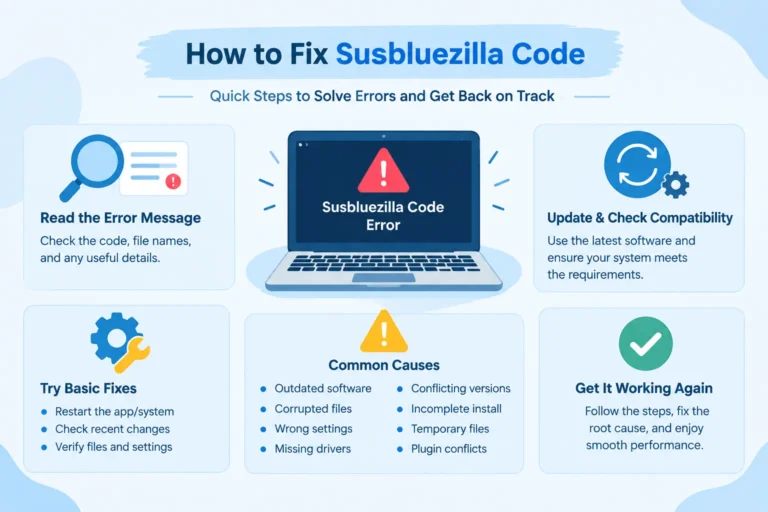
Solo developers and small teams may not need a full development platform if they release updates infrequently, as learning and maintaining new tools can take extra time. Instead, they can focus on solving specific issues as they arise. For example, developers looking for practical troubleshooting guidance can explore How to Fix Susbluezilla Code to learn possible solutions before investing in more complex tools.
Alternatives to End BugFlow Software
Bug tracking isn’t a category short on options. Depending on a team’s size and existing stack, well-established tools like Jira, Linear, GitHub Issues, and Bugzilla all serve similar core purposes: logging, prioritizing, and resolving software defects with different trade-offs in pricing, complexity, and how deeply they integrate with existing development pipelines.
Teams evaluating EndBugFlow alongside these alternatives usually consider several important factors before making a decision. They compare how much setup and maintenance each tool requires, how easily it fits into their existing development workflow, and whether it integrates smoothly with the software they already use. Pricing, customer support, documentation, and available features also play an important role.
How to Choose the Right Bug Tracking Software
Picking a bug-tracking tool comes down to a short list of practical questions rather than which platform has the longest feature list:
That last point matters more than it might seem. It’s easy for any software category to attract vague, SEO-driven content that describes a tool in glowing generalities without pointing to a verifiable product page, pricing sheet, or documentation. Before committing time to any new platform, it’s worth confirming those basics exist.
How to Improve Bug Tracking and Issue Management
Effective bug tracking helps development teams identify software problems, assign tasks, and monitor fixes without losing important information. A clear issue management process allows developers to understand each bug’s priority, track its progress, and coordinate with other team members. This can reduce delays and make software development more organized.
Teams can improve issue management by writing detailed bug reports, adding screenshots or error logs, and assigning clear responsibilities. Regularly reviewing unresolved issues also helps developers focus on important problems first. By following these practices, teams can improve collaboration, maintain software quality, and manage development tasks more efficiently.
Training and Adoption Considerations
Even the best-designed tool can fail if a team does not adopt it properly. Introducing EndBugFlow software gradually, starting with one project or team, can make the transition smoother. It is also important to establish clear guidelines for writing bug reports so everyone follows the same process from the beginning.
Tools that require lengthy onboarding before users can work productively may face adoption challenges. Teams should choose a system that is easy to learn, simple to navigate, and suitable for their daily tasks. A straightforward setup helps employees adapt faster and makes the overall workflow more efficient.
Future of Bug Tracking and Workflow Automation
The overall direction of bug tracking has been moving toward less manual data entry and more automatic context. Instead of a human filling out every field of a bug report by hand, newer approaches lean on automatically captured logs, screenshots, and system details, with the human simply confirming or adding context.
Smarter prioritization, surfacing what’s actually urgent instead of relying on whoever shouts loudest in a chat channel, is another consistent trend across the space. Whatever specific platform a team ends up using, these are the underlying shifts shaping where bug tracking is headed.
Is EndBugFlow Software Legitimate and Safe?
This is a fair question to ask about any tool, and it’s worth being direct about it here: publicly available information describing EndBugFlow is inconsistent and, in places, hard to verify against an official product page, documentation, or pricing source. That doesn’t necessarily mean the platform doesn’t exist or isn’t legitimate, but it does mean the responsible move is to confirm it independently before relying on it for real work, rather than taking any single article’s word for it, including this one.
Before using EndBugFlow Software, check whether its website provides clear information about the company, product features, and security policies. Look for independent reviews and reliable documentation to support its claims. Taking these steps can help you make a more informed decision and protect your team’s data.
Best Practices for Evaluating EndBugFlow Software
Before adopting any bug-tracking platform, a few checks go a long way:
Transparency and Research Methodology
This guide was put together by researching publicly available descriptions of EndBugFlow alongside general, well-established knowledge of how bug-tracking and workflow-automation tools function as a category. Where specific claims about EndBugFlow’s exact features, pricing, or technical implementation couldn’t be independently confirmed, they’ve been left out rather than presented as fact. The goal is to give an honest, useful overview, not to overstate certainty about details that can’t currently be verified.
Conclusion
EndBugFlow fits into the bug-tracking software category, which solves a genuine problem: keeping software defects organized, visible, and moving toward resolution instead of scattered across spreadsheets and chat threads. A structured tracking system can help development teams manage tasks more efficiently, improve communication, and reduce the chances of important issues being overlooked.
Before adopting End BugFlow, it is important to verify the platform’s details independently and evaluate whether it meets your team’s requirements. Check its documentation, pricing, integrations, and security information before making a decision. Comparing available options and testing them against real workflow needs can help you choose a reliable solution without relying on unverified marketing claims.