The Tricks WutawHealth: A Complete Guide to Health, Wellness, and Better Everyday Living
Modern life can make it difficult to maintain healthy habits while balancing work, family, and personal responsibilities. Long working hours, limited physical activity, irregular meals, and daily stress can gradually affect overall well-being. WutawHealth is a topic associated with practical health, wellness, and lifestyle ideas that can help readers explore better ways to manage everyday routines.
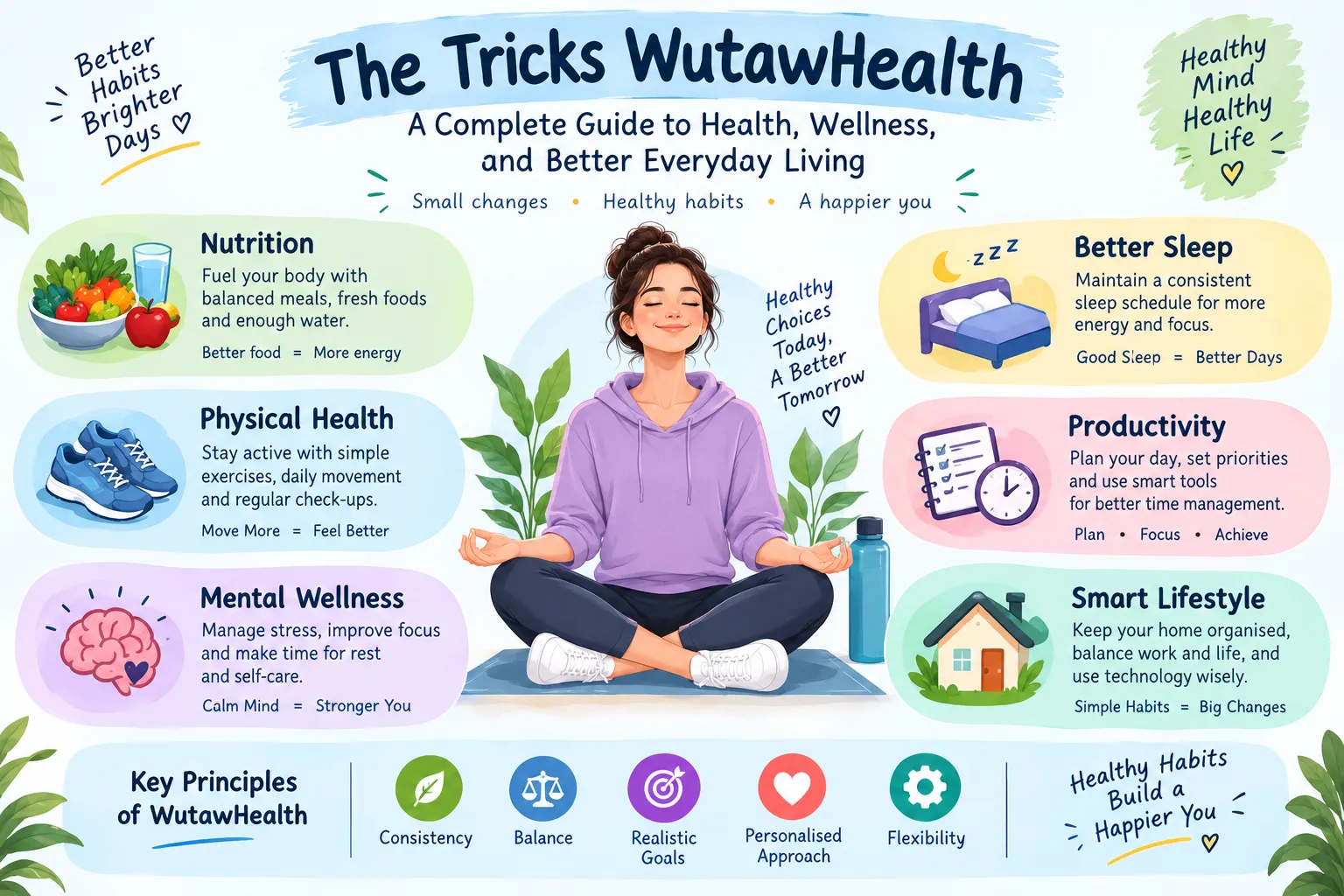
The tricks in WutawHealth can be understood through simple habits such as eating balanced meals, staying physically active, improving sleep routines, managing stress, and organising daily tasks. These changes do not require an expensive gym membership or a complicated wellness plan. Instead, the goal is to identify realistic actions that fit your lifestyle and maintain them consistently.
This guide explains the main principles of WutawHealth, practical wellness strategies, the role of technology, and ways to turn healthy intentions into everyday habits. It also includes a simple comparison table and actionable tips to help beginners get started.
What Is The Tricks WutawHealth?
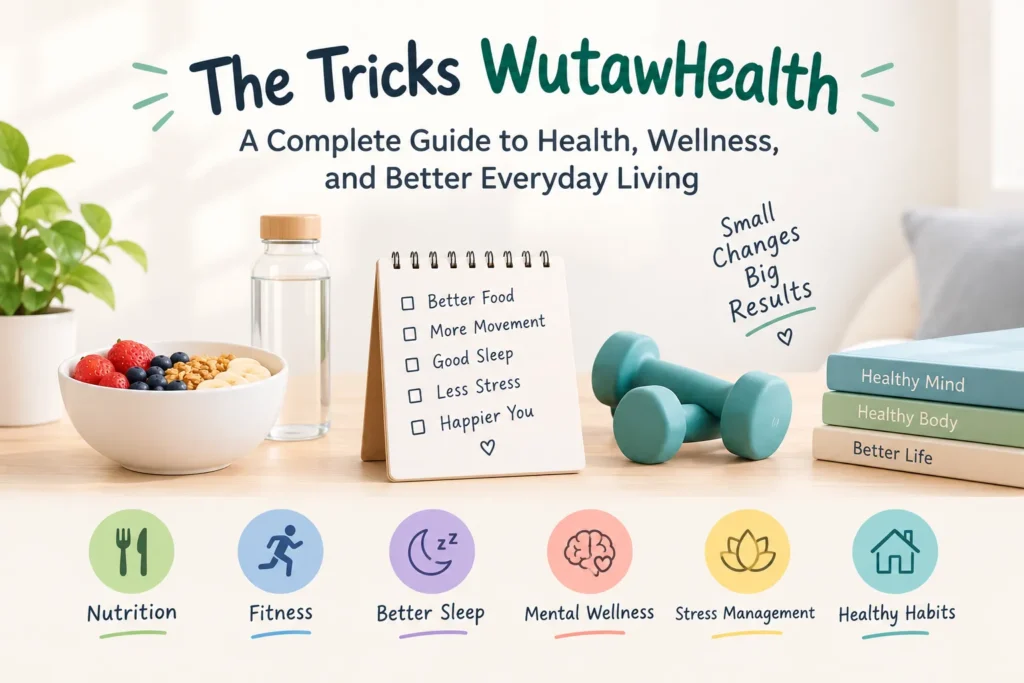
The tricks WutawHealth refers to practical ideas for improving everyday health, personal well-being, and lifestyle management. The topic brings together several areas of daily living, including nutrition, physical fitness, mental wellness, productivity, and healthy routines. These areas are connected because changes in one part of life can influence how people feel and function in another.
For example, someone who regularly sleeps poorly may find it harder to concentrate, stay motivated, or maintain an exercise routine. Similarly, planning meals and taking short movement breaks may make a busy day easier to manage. WutawHealth can serve as a starting point for exploring these habits, although individual recommendations should always be evaluated using reliable health information.
Understanding WutawHealth and Its Approach to Wellness
A practical approach to wellness focuses on the everyday decisions that influence physical and mental well-being. Rather than expecting one product or technique to solve every problem, it encourages people to consider their routines as a whole. This includes paying attention to food choices, movement, sleep, stress, and relationships.
The most useful approach is personal and flexible. A student may need better study habits and regular sleep, while a busy professional may benefit from movement breaks and improved time management. Understanding your own challenges helps you choose strategies that are realistic instead of following a routine simply because it works for someone else.
What Makes The Tricks WutawHealth Different?
The main appeal of practical wellness tips is their focus on manageable changes. Many people struggle to maintain new habits because they attempt too much at once, follow restrictive plans, or expect immediate results. Starting with a few achievable actions can make the process less overwhelming.
However, not every health tip found online is accurate or suitable for everyone. A useful wellness strategy should have a reasonable purpose, fit your circumstances, and avoid unrealistic promises. WutawHealth should therefore be approached as a general lifestyle topic rather than a substitute for evidence-based healthcare or a guaranteed method of improving health.
Who Can Benefit From WutawHealth Tips?
Students, working professionals, parents, and people with busy schedules may find general wellness strategies helpful. Students can organise study periods and protect their sleep, while professionals can plan breaks and reduce unnecessary distractions. Families may benefit from preparing balanced meals and making time for shared physical activities.
Beginners can start with basic habits, while people who already follow healthy routines can review their consistency. Anyone with a medical condition, ongoing symptoms, or specific dietary or exercise requirements should seek personalised advice from a qualified healthcare professional before making significant changes.
Key Principles Behind The Tricks WutawHealth
A sustainable wellness routine is built on consistency, balance, and realistic expectations. The tricks WutawHealth can be organised around these principles to help people make informed decisions without turning healthy living into a stressful responsibility.
It is also important to recognise that well-being involves more than personal discipline. Work schedules, family commitments, finances, living conditions, and access to healthcare can influence the choices available to an individual. A practical plan should account for these circumstances instead of expecting perfection.
Building Healthy and Sustainable Habits
Healthy habits are easier to maintain when they fit naturally into daily life. Drinking water regularly, taking a walk, preparing a simple meal, or establishing a consistent bedtime can be useful starting points. These actions may appear small, but repeating manageable behaviours can help create a more consistent routine.
For example, if you want to become more active, begin with a short walk at a convenient time. Once it becomes comfortable, gradually adjust the duration according to your abilities. This approach allows you to build confidence without making your schedule unnecessarily demanding.
Balancing Physical Health, Mental Wellness, and Lifestyle
Physical health, mental well-being, rest, and personal relationships all contribute to everyday functioning. Focusing exclusively on exercise while ignoring sleep or persistent stress may make a routine difficult to sustain. A balanced approach considers how different needs affect one another.
Try to make room for movement, nutritious meals, relaxation, and meaningful social interaction. Your routine does not need to look the same every day. The aim is to maintain a reasonable balance that accommodates your responsibilities and supports your well-being over time.
Making Small Changes for Long-Term Benefits
Gradual improvements are often easier to evaluate than several major changes introduced simultaneously. You might begin by preparing breakfast in advance, reducing prolonged sitting, or organising your tasks before starting work. After establishing one habit, you can decide whether to introduce another.
Tracking progress can help you recognise patterns and identify obstacles. A simple checklist or calendar may be enough. If a habit becomes impractical, adjust it rather than assuming that you have failed. Flexibility is an important part of sustainable behaviour change.
WutawHealth Tricks for Nutrition and Healthy Eating
Nutrition supports energy needs, normal body functions, and overall health. A balanced eating pattern generally includes a variety of vegetables, fruits, whole grains, protein sources, and appropriate sources of fats. Individual requirements vary according to factors such as age, activity level, medical history, and personal circumstances.
Healthy eating does not require expensive ingredients or complicated recipes. Planning a few meals, keeping suitable foods available, and limiting reliance on highly processed snacks when practical can help make food choices easier. Avoid extreme diets or unnecessary restrictions, and seek personalised guidance if you have allergies, medical conditions, or specific nutritional needs.
Simple Nutrition Tips for Everyday Life
One practical strategy is to include different food groups across your meals. Vegetables and fruit provide vitamins, minerals, and fibre, while protein-rich foods support normal body functions and tissue maintenance. Whole grains and other suitable carbohydrate sources can provide energy for everyday activities.
Meal preparation can also reduce the stress of deciding what to eat during a busy day. Keep convenient ingredients available and choose recipes that suit your budget and preferences. Drink water regularly according to your needs, remembering that fluid requirements can vary with activity, climate, and health.
Developing Balanced Eating Habits
Balanced eating is about variety and moderation rather than making every meal perfect. Skipping meals or following a highly restrictive diet may be unsuitable for some people and can make a routine difficult to maintain. A flexible approach allows room for personal preferences while meeting nutritional needs.
For example, you could plan several simple lunches for the working week and keep nutritious snacks available when needed. Pay attention to hunger and fullness, and avoid treating food choices as a measure of personal success or failure. The goal is to establish an eating pattern that is practical and sustainable.
The Tricks WutawHealth for Physical Health and Fitness
Regular physical activity supports cardiovascular health, muscular strength, mobility, and general well-being. It can also provide opportunities to relax and improve mood. Exercise does not always require a gym, expensive equipment, or an intensive training programme.
Walking, cycling, dancing, gardening, and suitable home exercises are examples of activities that may fit into everyday routines. Choose movement that matches your abilities and increase activity gradually. If you have a health condition or are returning to exercise after an injury, consult an appropriate healthcare professional about suitable options.
Simple Exercises for Daily Fitness
Walking is an accessible activity for many people and can often be included in a daily schedule. Other options include gentle stretching, low-impact exercise, cycling, or basic strength movements appropriate to your fitness level. Choosing an activity you enjoy can make regular participation easier.
People who spend long periods sitting may benefit from getting up and moving at regular intervals. Start with a manageable routine rather than comparing your progress with others. Pay attention to your body’s responses, use appropriate equipment, and stop if you experience concerning symptoms.
Staying Active With a Busy Schedule
A busy schedule does not necessarily mean that all physical activity must be postponed. Short walks during breaks, moving between tasks, and choosing active leisure activities can create opportunities for movement throughout the day. These actions can complement longer exercise sessions when time permits.
Planning ahead can improve consistency. For example, you could schedule a walk during lunch or set aside time for an activity several days each week. The most effective routine is one that fits your responsibilities without leaving you exhausted or overwhelmed.
Preventive Healthcare and Regular Check-Ups
Preventive healthcare helps people monitor their health and identify certain problems early. Depending on individual circumstances, this may include routine medical appointments, recommended vaccinations, and age-appropriate screening tests. A healthcare professional can explain which services are relevant to your needs.
Lifestyle improvements are valuable, but they do not replace medical assessment or treatment. Avoid ignoring persistent symptoms or relying exclusively on online wellness tips. Combining healthy routines with appropriate professional healthcare provides a more responsible approach to long-term well-being.
The Tricks WutawHealth for Mental Clarity and Wellness
Mental wellness influences how people respond to challenges, manage responsibilities, and interact with others. Everyday pressures such as work demands, financial concerns, and family obligations can contribute to stress and make concentration difficult. Practical routines may help people manage ordinary pressures and create more opportunities for recovery.
The tricks WutawHealth can include relaxation, better time management, meaningful social interaction, and adequate rest. These strategies may support general well-being, but they are not guaranteed treatments for mental health conditions. Persistent distress or difficulties with daily functioning deserve appropriate professional support.
Managing Stress and Supporting Mental Health
Identifying common sources of stress can help you decide where to make changes. Breaking large tasks into smaller steps, taking planned breaks, and discussing concerns with a trusted person may make difficult periods more manageable. Some people also find breathing exercises or quiet activities helpful.
Different strategies work for different individuals, and not every source of stress can be removed. If emotional difficulties persist or interfere with everyday life, consider speaking with a qualified mental health professional. Seeking support is a sensible part of caring for yourself.
Improving Focus and Emotional Well-Being
Frequent interruptions, fatigue, and competing responsibilities can make it difficult to concentrate. Try selecting one priority at a time, reducing unnecessary notifications, and taking short breaks between demanding tasks. Writing down important responsibilities may also reduce the mental effort involved in remembering everything.
Emotional well-being can also benefit from maintaining social connections and making time for enjoyable activities. Talking with friends, pursuing a hobby, or spending time outdoors may provide opportunities to relax. These habits can complement professional support when additional help is needed.
Making Time for Rest and Self-Care
Self-care includes everyday actions that support physical and emotional needs. Maintaining a consistent sleep schedule, eating regularly, setting reasonable boundaries, and allowing time for relaxation are practical examples. Self-care does not have to involve expensive products or elaborate routines.
A comfortable sleeping environment and a calming evening routine may help support sleep. Try to make sufficient time for rest instead of filling every available moment with work. If sleep problems persist or significantly affect daytime functioning, seek professional advice.
Smart Lifestyle Hacks for Better Everyday Living
Everyday organisation can make healthy choices more convenient and reduce avoidable stress. Simple improvements to household routines, planning, and time management may help people manage responsibilities more effectively.
The best lifestyle hacks address genuine problems rather than adding more tasks. Identify an area that regularly creates difficulty, such as clutter or last-minute meal decisions, and introduce one practical improvement at a time.
Smart Home Hacks and Organization Ideas
Keeping frequently used items in designated places can make everyday tasks easier. Preparing shopping lists, organising important documents, and establishing simple cleaning routines may also save time. Household responsibilities can be divided among family members according to their abilities and availability.
A well-organised home does not need to look perfect. The goal is to create spaces that work for the people using them. Start with one room, drawer, or routine and expand the approach only when it proves helpful.
Practical Wellness Tips for Busy People
Busy people can make healthy habits easier by preparing in advance. Keeping suitable snacks available, planning simple meals, scheduling movement breaks, and organising daily priorities can reduce last-minute decisions. These strategies are particularly useful when work or family responsibilities leave little free time.
It is equally important to protect opportunities for rest. A schedule that leaves no room for recovery may be difficult to sustain. Build flexibility into your day so you can manage unexpected tasks without abandoning every healthy habit.
Creating a Healthy Work-Life Balance
Work-life balance involves managing professional responsibilities while making time for rest, relationships, and personal interests. Setting reasonable working boundaries, taking breaks, and discussing workloads when appropriate may help reduce unnecessary pressure.
At the end of the workday, writing down the next day’s priorities can help organise unfinished tasks. Making room for enjoyable activities outside work also supports a more balanced routine. The right approach depends on individual circumstances, so choose boundaries that are realistic for your situation.
Boosting Productivity With The Tricks WutawHealth
Productivity is not simply about completing as many tasks as possible. It also involves managing time and energy effectively while protecting personal well-being. Clear priorities, realistic schedules, and regular breaks can help people organise their responsibilities more effectively.
Start by identifying the most important tasks for the day. Breaking complex projects into smaller actions can make progress easier to measure and reduce the feeling of being overwhelmed. Leave room for unexpected responsibilities rather than filling every hour with planned work.
Improving Daily Focus and Time Management
A short task list can help you remember important responsibilities and decide where to begin. Estimate how long tasks may take, complete demanding work during your most suitable focus periods, and limit unnecessary switching between activities.
Avoid planning more work than you can reasonably complete. Include breaks and personal responsibilities in your schedule. A realistic plan that can be followed is more useful than an ambitious schedule that regularly creates frustration.
Building Productive Routines Without Burnout
Sustainable productivity requires adequate recovery. Working continuously without breaks can contribute to fatigue and make concentration harder. Short pauses between demanding tasks may help you maintain a more manageable pace.
Review your workload regularly and identify activities that can be simplified or delegated when appropriate. Protecting sleep and personal time is also important. Productivity strategies should help you manage work more effectively, not encourage you to ignore your health.
The Role of Technology in WutawHealth
Technology can help people organise routines, access educational resources, and monitor selected lifestyle behaviours. Calendar applications, step counters, exercise tools, and habit trackers can provide useful reminders and records. However, digital measurements may be estimates and should not automatically be treated as medical assessments.
Choose tools that address a genuine need and review their privacy settings before sharing personal information. Avoid becoming overly focused on numbers or notifications. Technology is most useful when it supports sensible decisions rather than replacing professional guidance or personal judgement.
Using Digital Tools to Track Healthy Habits
A habit tracker can record activities such as walking, preparing meals, or following a regular bedtime. Reviewing this information may help you identify patterns and notice where your routine needs adjustment. A digital application, notebook, or simple calendar can all serve this purpose.
Tracking should remain encouraging rather than stressful. Missing a planned activity does not mean that your efforts have failed. If recording every detail creates unnecessary pressure, simplify the process or stop tracking.
Staying Informed Through Reliable Health Information
Online health information can be useful, but not every claim is accurate. Look for resources that explain their evidence, identify limitations, and distinguish established guidance from personal opinions. Be cautious of miracle cures, dramatic promises, and advice that recommends stopping prescribed treatment without consulting a healthcare professional.
For questions about symptoms, medications, or specific medical conditions, seek qualified advice. Reliable information can help you prepare questions and understand general recommendations, but individual healthcare decisions require consideration of your circumstances.
How to Incorporate WutawHealth Tricks Into Your Daily Routine
Turning wellness ideas into habits requires planning, repetition, and flexibility. Instead of changing your diet, exercise schedule, sleep routine, and productivity system simultaneously, begin with one or two manageable priorities.
The following table summarises practical starting points and ways to incorporate them into everyday life.
A Simple Daily Wellness Plan
| Wellness area | Practical action | Suggested starting point |
| Nutrition | Include a variety of nutritious foods | Plan one balanced meal |
| Physical activity | Walk or choose suitable movement | Begin with a short walk |
| Mental wellness | Take a quiet break or practise relaxation | Set aside five minutes |
| Sleep | Maintain a consistent sleep schedule | Choose a regular bedtime |
| Productivity | Write down key priorities | List three important tasks |
| Organisation | Prepare for the next day | Spend a few minutes planning |
| Health monitoring | Attend appropriate preventive appointments | Discuss relevant check-ups with a healthcare professional |
This table is a flexible guide rather than a strict prescription. Adjust each activity to your circumstances, abilities, and health needs. Consistency matters more than following every suggestion perfectly.
Step 1: Start Small and Make Gradual Changes
Choose one habit that addresses a genuine need. You might take a short walk, prepare breakfast in advance, or spend a few minutes planning your day. A manageable first step is easier to repeat than a demanding routine that requires major changes.
Give yourself time to practise before introducing another goal. If the habit feels difficult, simplify it or choose a more convenient time. Gradual progress can help you develop confidence and identify what works best.
Step 2: Set Realistic Health and Lifestyle Goals
Clear goals help turn general intentions into practical actions. Instead of saying that you want to become healthier, choose a specific objective, such as planning several home-cooked meals or scheduling regular movement breaks.
Consider your current abilities, available time, and responsibilities when setting targets. If a goal consistently proves impractical, adjust it. The purpose is to support lasting improvements, not create unnecessary pressure.
Step 3: Stay Consistent and Track Your Progress
Consistency means returning to useful habits regularly, not completing them perfectly every day. A checklist or calendar may help you remember planned activities and recognise patterns over time.
If you miss a day, resume when practical instead of abandoning the routine. Focus on the overall pattern rather than isolated setbacks. Tracking is optional, so choose a method that encourages you without creating stress.
Step 4: Review Your Habits and Adjust When Needed
Your needs and responsibilities may change over time. Review your routine periodically and consider whether each habit remains practical and helpful. A schedule that works during a quiet period may need adjustments when work or family demands increase.
Pay attention to how changes affect your comfort and everyday functioning. If a new exercise or dietary change causes concerning symptoms, stop and seek appropriate professional guidance. A useful routine should support well-being rather than create additional difficulties.
Why The Tricks WutawHealth Matters Today
Modern life often involves competing responsibilities, extended screen time, limited movement, and pressure to remain productive. These circumstances can make healthy routines difficult to maintain. Practical wellness strategies offer a way to approach everyday challenges through manageable decisions instead of unrealistic expectations.
WutawHealth is most useful as a general topic for exploring nutrition, physical activity, mental well-being, and lifestyle organisation. These areas can help people identify opportunities for improvement while recognising that health is also influenced by social, financial, environmental, and medical factors.
The Importance of Wellness in Modern Life
Wellness affects how people manage daily responsibilities, maintain relationships, and participate in activities they value. Giving appropriate attention to movement, rest, nutrition, and emotional needs can support everyday functioning.
However, healthy choices are not equally accessible to everyone. Work demands, financial limitations, disability, and access to healthcare can influence what is practical. Wellness advice should therefore be realistic and flexible rather than suggesting that individual habits alone determine a person’s health.
Maintaining Healthy Habits for Long-Term Well-Being
Long-term well-being depends on habits that remain manageable over time. Regular movement, balanced eating, adequate rest, social connection, and appropriate healthcare can all contribute to a healthier lifestyle. The right combination varies between individuals and may change throughout life.
Focus on gradual improvement instead of comparing your progress with others. Use reliable information, seek professional guidance when needed, and adjust your routine as circumstances change. Healthy living is an ongoing process, not a requirement to perform every habit perfectly.
Conclusion
WutawHealth provides a useful starting point for exploring practical approaches to health, wellness, and everyday lifestyle improvement. From balanced nutrition and regular movement to stress management, productivity, and household organisation, small changes can help people develop routines that better support their needs.
The most effective approach is to choose realistic habits, evaluate reliable information, and maintain progress without unnecessary pressure. Not every strategy suits every person, and general wellness tips should never replace appropriate medical care. By making gradual adjustments and reviewing what works, you can build a more balanced and sustainable approach to everyday living.